
11 products · 52 versions
Multipoint Lock Strike Plates & Keepers
Multipoint lock strike plates are the metal plates on the frame that the bolts lock into. Replace one if the door won't latch smoothly.
Not sure which part? Use our instant part identifier
- Lock family
- HLS 9000
Nothing matches every filter.
Before you order: 3 checks
Also called strikes, strikers or keepers: HOPPE's catalog says strike plate or strike, uses striker for the auto release strike and socket strike for the plate a flush bolt rod locks into, and keeper is the more common word in the UK.
Lock it with the door open
Open the door, hold in the trigger (the small spring plunger beside the latch), lift the handle and turn the thumb-turn; turn it back and push the handle down before you close the door. If it locks easily open but not shut, the door is out of line with its frame. A HOPPE adjustable hinge moves 1/8" (3 mm) either way at its 3/16" hex screw, which can line the door back up with its strikes.
Match the bolt, not the look
Some strikes are the same size and take different bolts. The radius-lip tongue strike and the swing hook strike are both 4-5/8" (117.4 mm) long and 1" (25.4 mm) wide, and the roller strike and the auto release strike are both 1-5/16" (33 mm) wide and 2-3/8" (60 or 61 mm) long. Open the door, lock it and see which bolt comes out at that height before you order.
Measure the width of the center plate
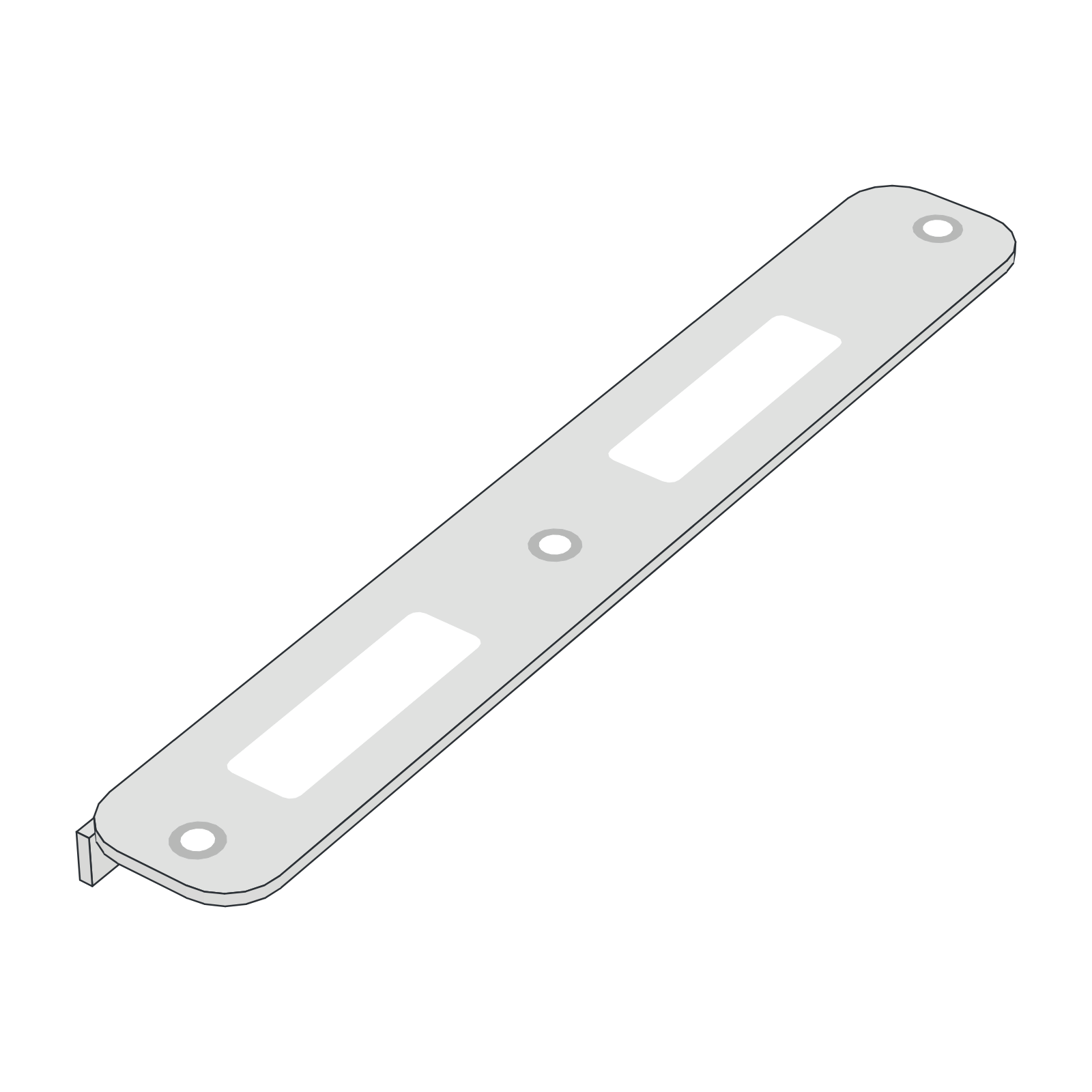
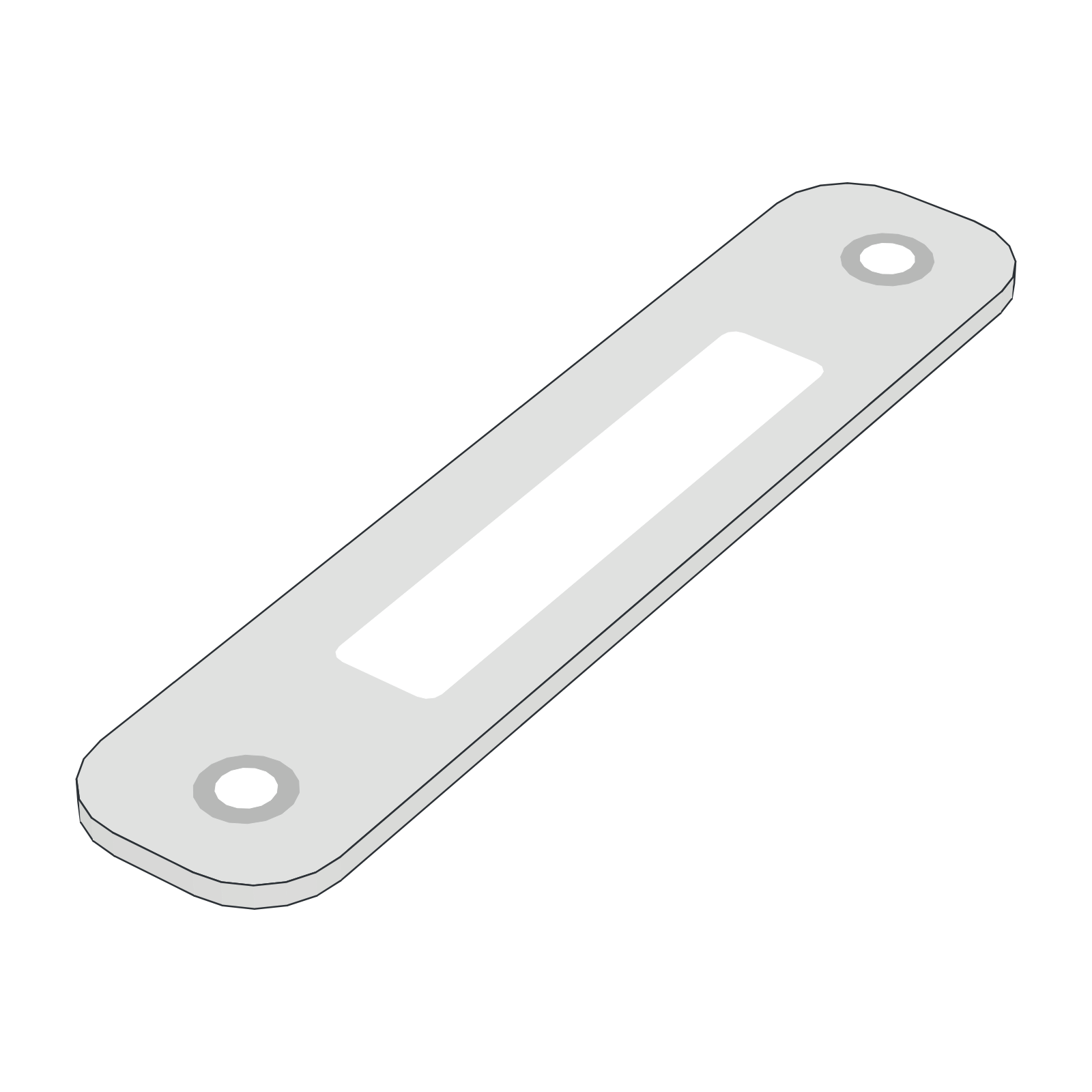
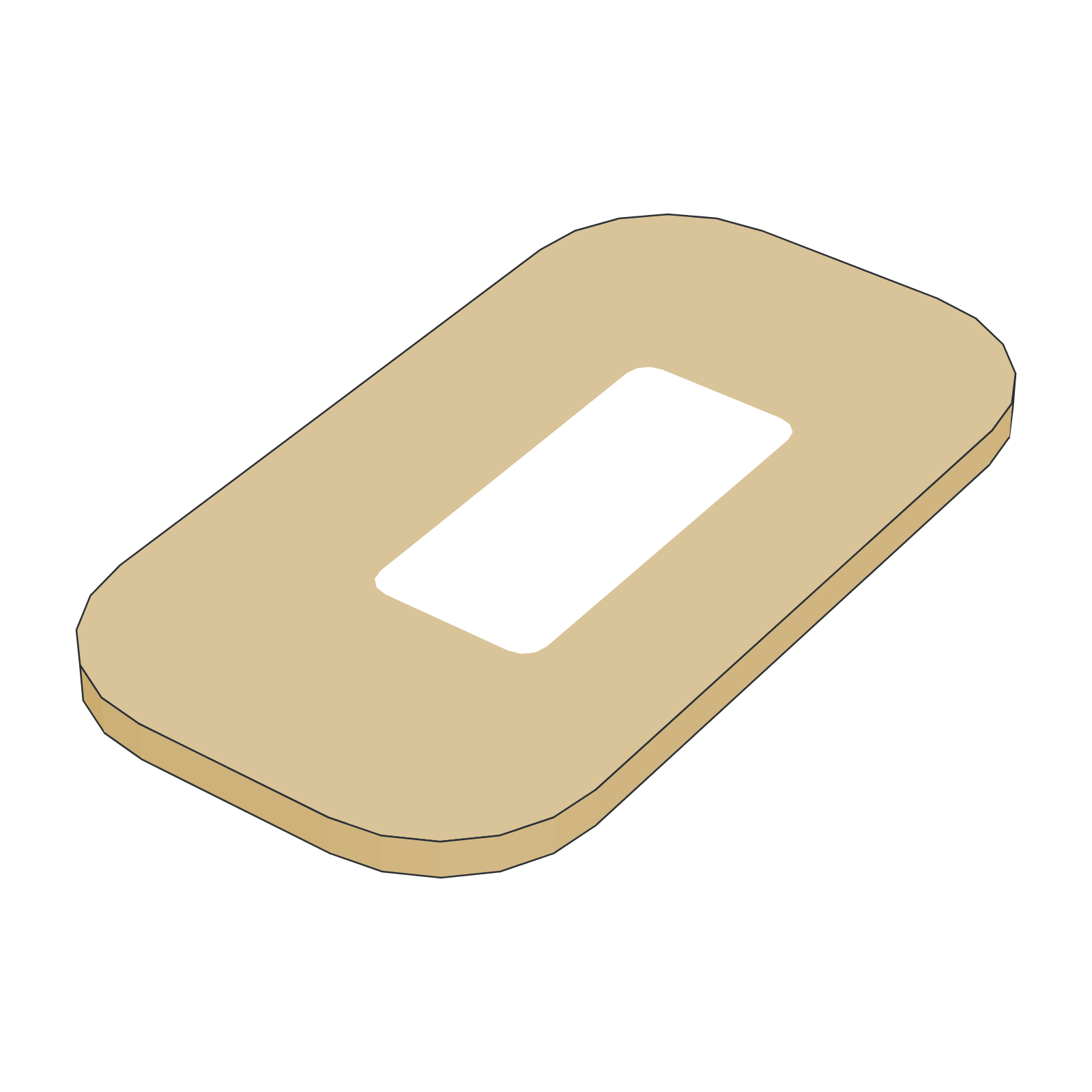
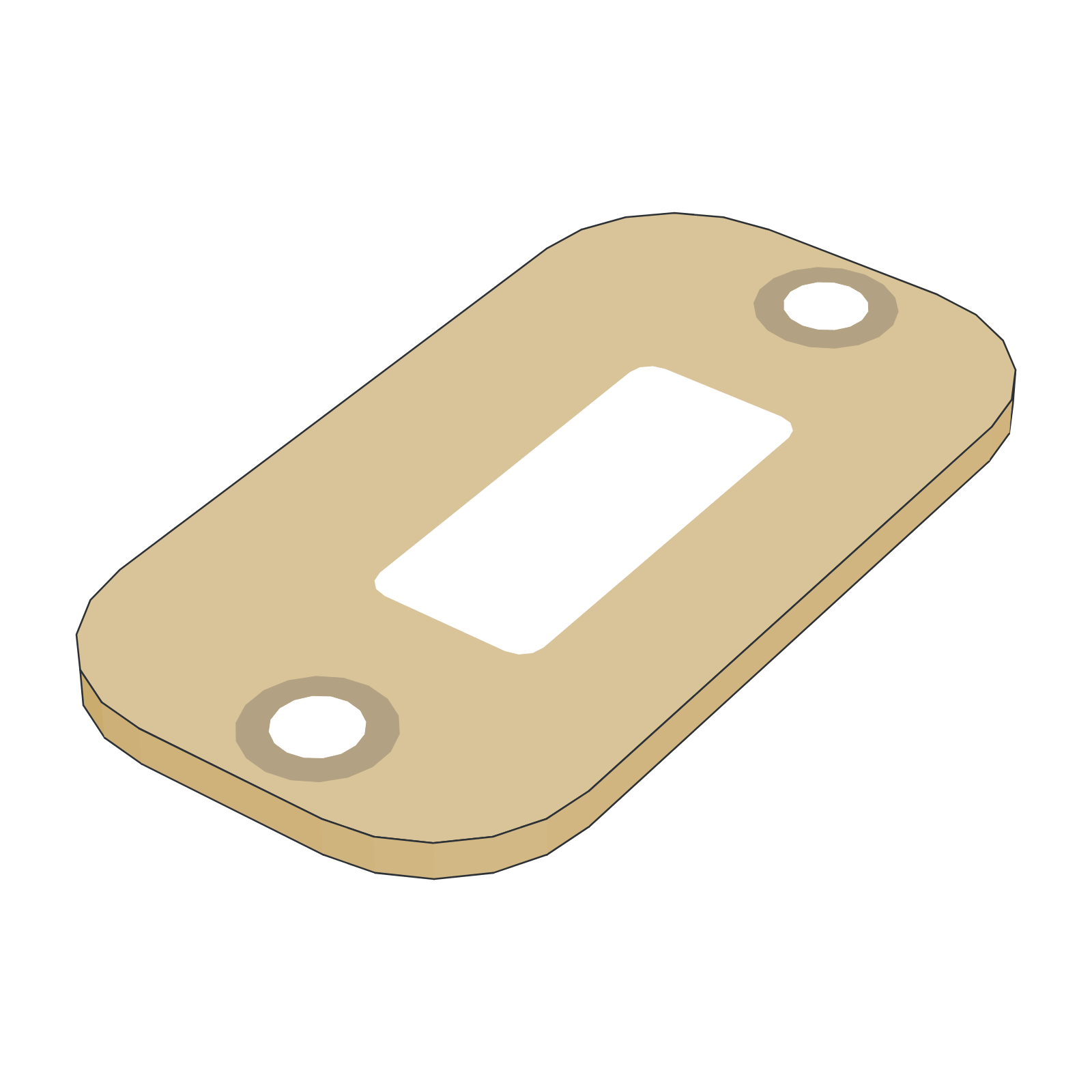
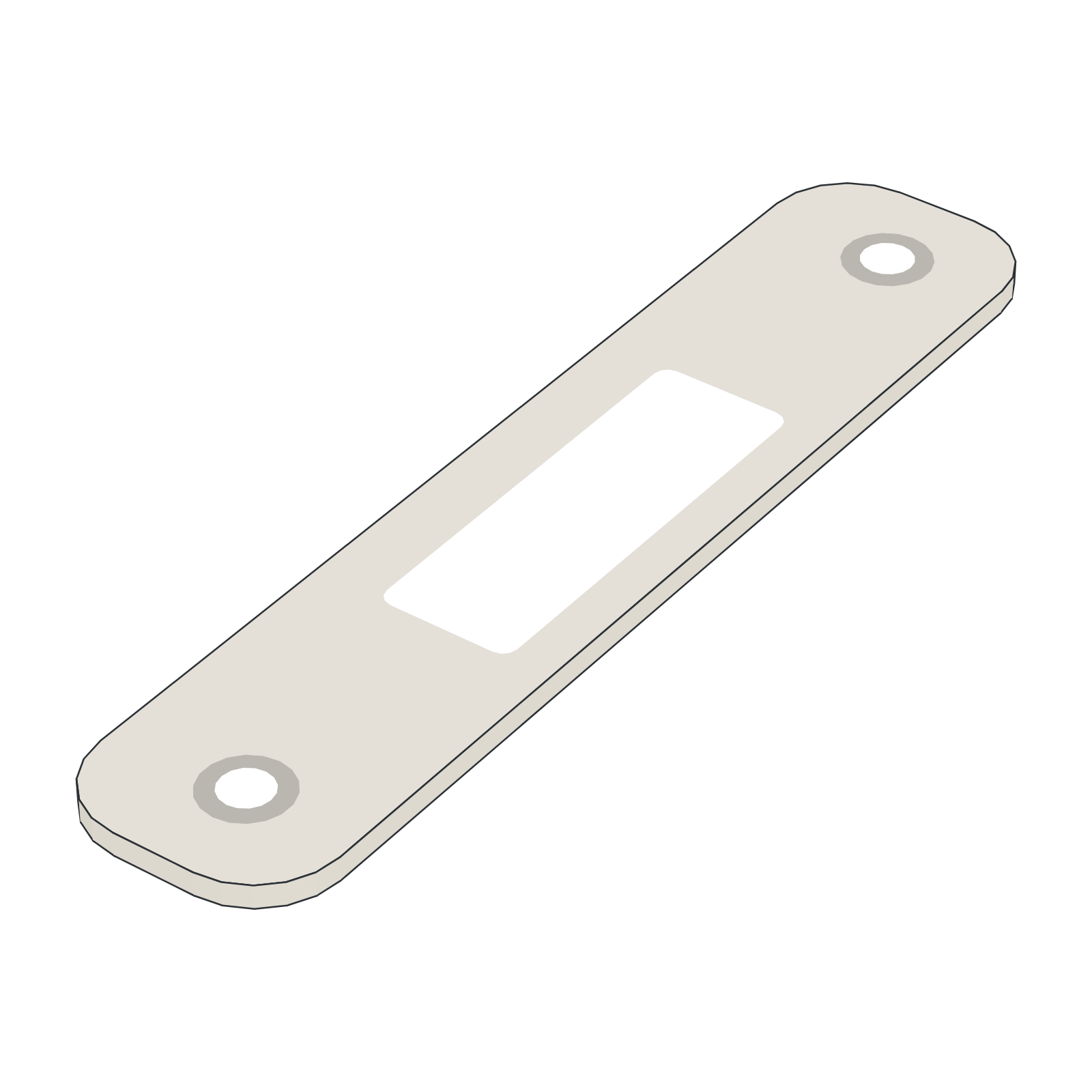
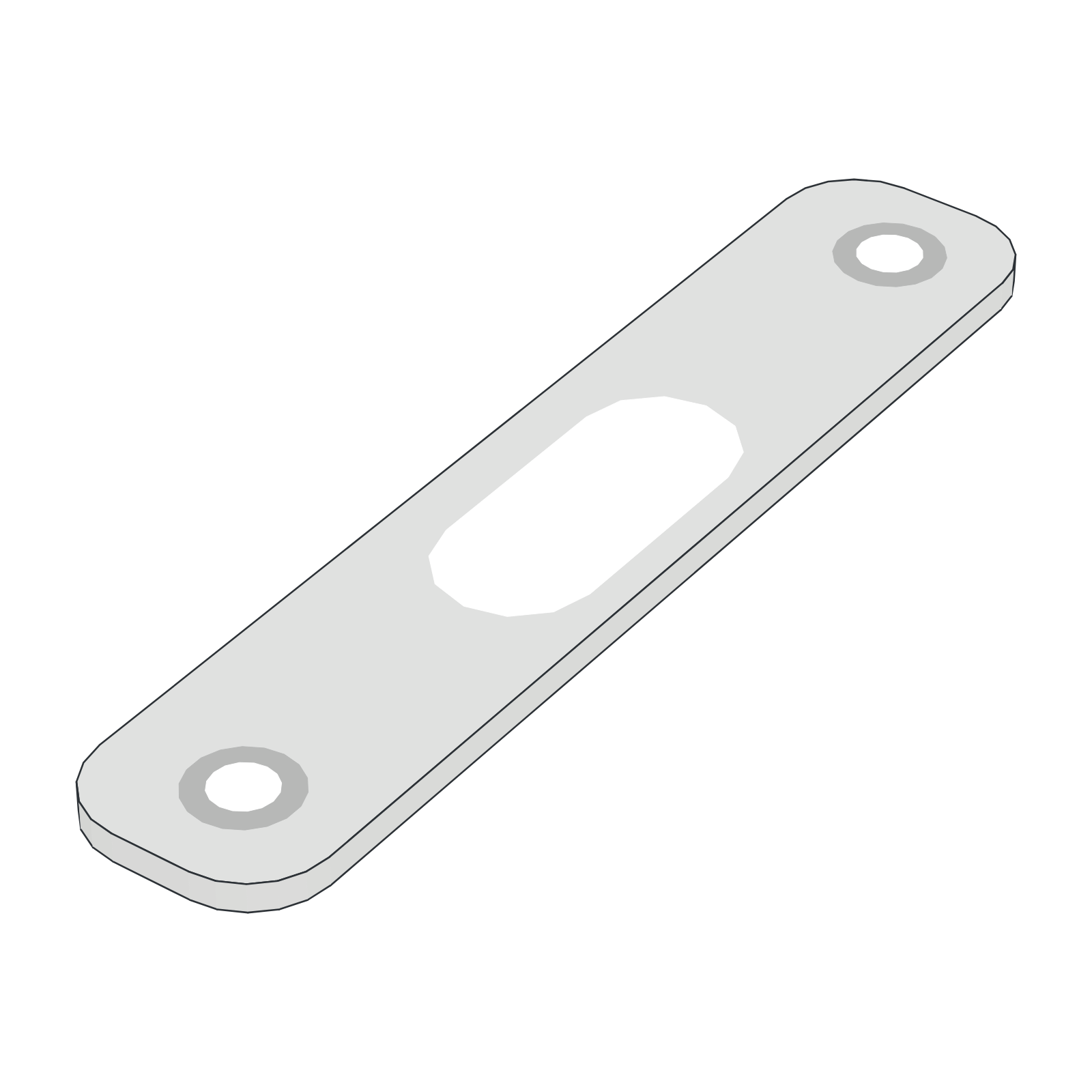
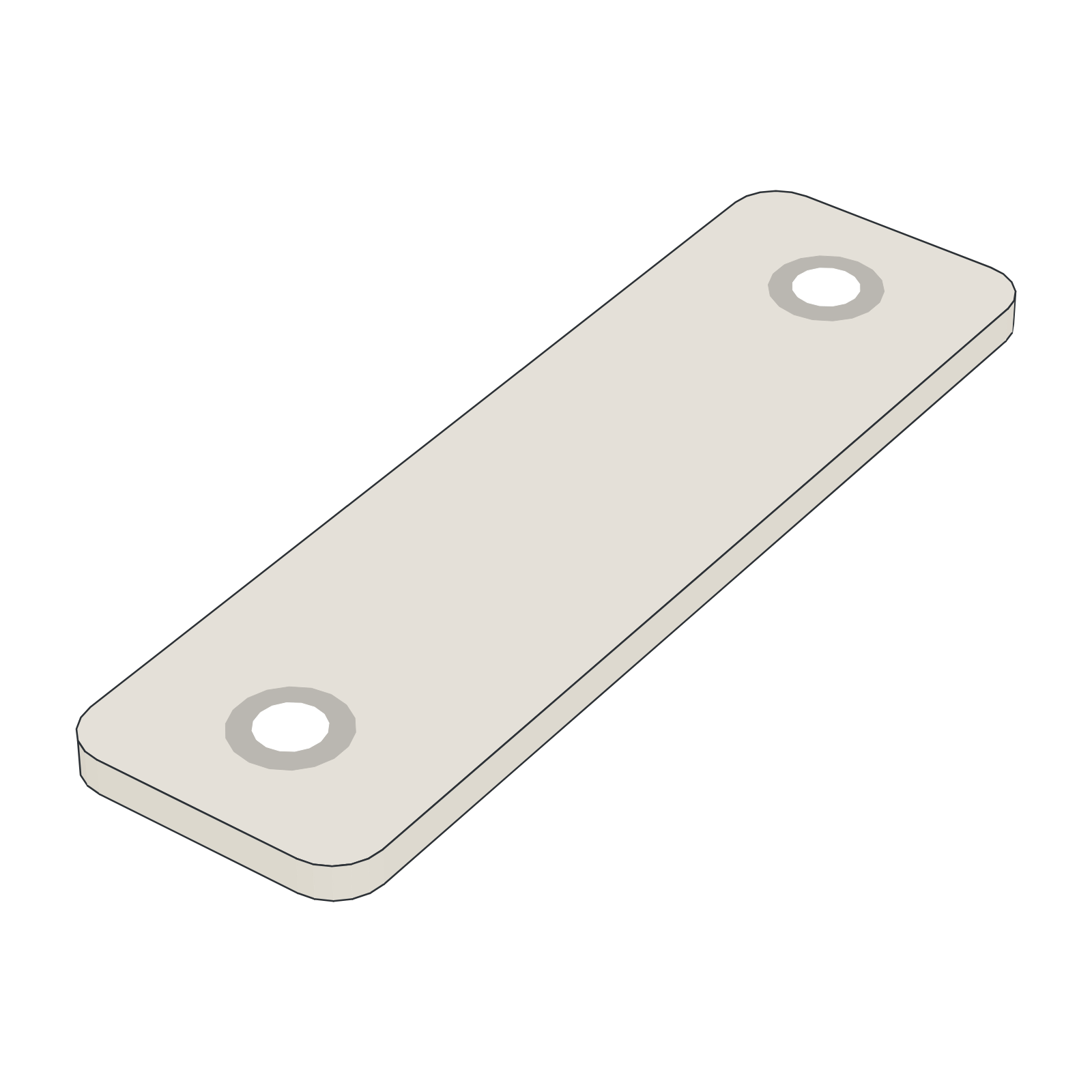
Every HOPPE latch and deadbolt strike is 8-13/16" (224 mm) long, so the length will not tell the versions apart. The width does: 1-5/16" (33 mm) to 2-15/16" (74.6 mm), each for one door thickness and groove position. Measure across your old plate and match it on the latch and deadbolt strike page.
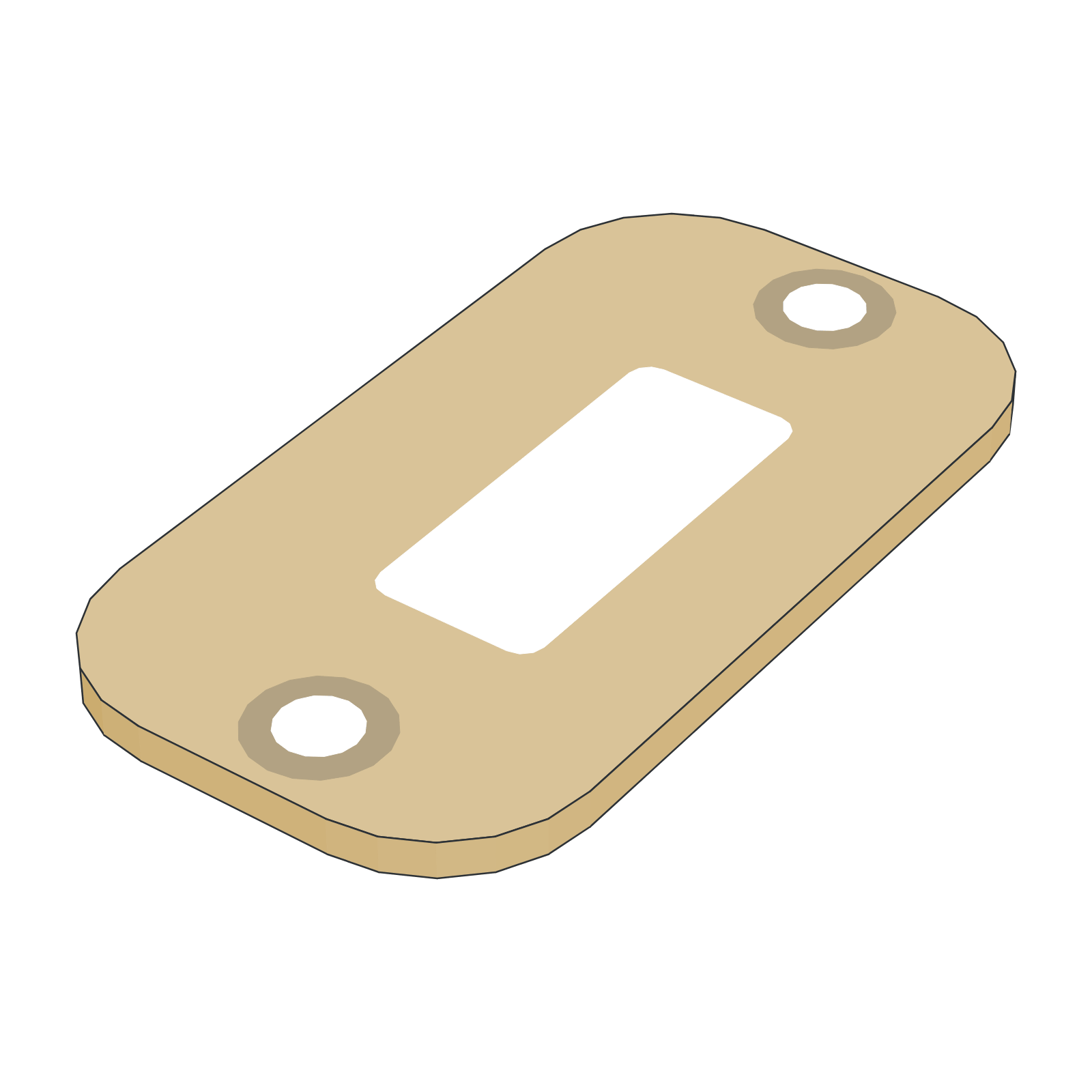
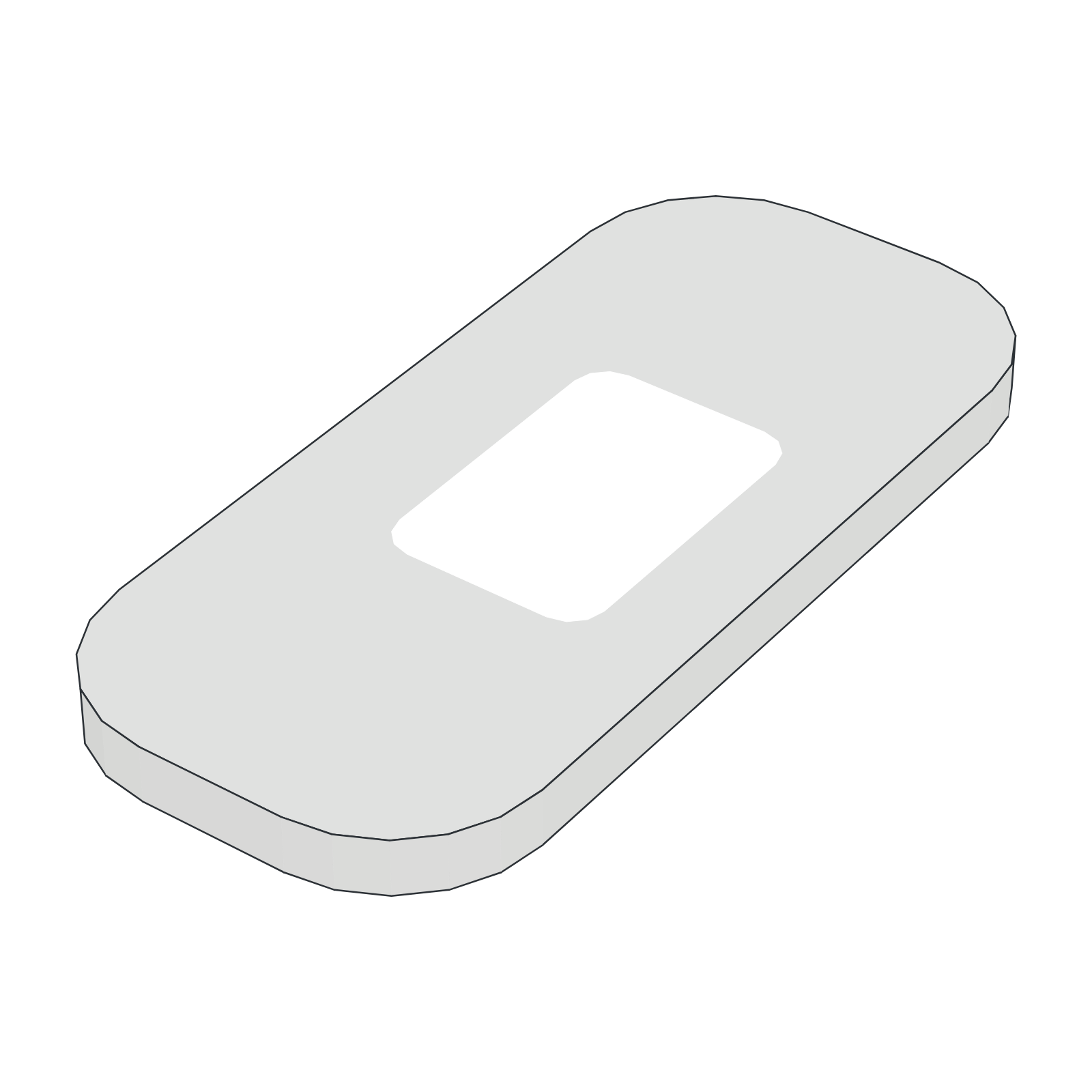
Compare the 11 strike plates
What you choose on each page, how many versions it has and where its price starts. Every part number is in the list below.
All 52 part numbers on this page
- HOPPE latch and deadbolt strike plateBrass: 1963546, 2014019, 2342194, 8787715 · Matte Black: 8787735 · Polished Brass: 3879701 · Rustic Umber: 2162880, 2616554, 2829867, 3772612 · Satin Nickel: 2127443 · Stainless Steel: 1963554, 2014027, 2342311, 8787743, 8787747
- HOPPE auto release strike plate, 2-3/8" (61 mm) long8783867
- HOPPE shootbolt strike plate, swing doorBrass: 2016559, 2135259, 8783899, 8789023 · Rustic Umber: 2621804 · Stainless Steel: 2058724, 2098911, 2098945, 8752847, 8783907, 8789027
- HOPPE tongue strike plate, swing doorBrass: 2025181, 8784675, 8784699 · Brushed Chrome: 8786559 · Matte Black: 8786575 · Rustic Umber: 2163006, 2245597, 2671238 · Satin Nickel: 2127486 · Stainless Steel: 1964522, 2025199, 8784707
- HOPPE roller strike plate, 2-3/8" (60 mm) long8784999, 8785003
- HOPPE flush bolt rod socket strike, 5/8" (16 mm) wide2024962, 8784663
- HOPPE auto release underplate strike plate, 1-1/4" (32.5 mm) wide8784775, 8784783
- HOPPE swing hook strike plate, 1" (25.4 mm) wide2736661
- HOPPE roundbolt strike plate, 3-13/16" (97 mm) long1958739, 2013260, 8784651
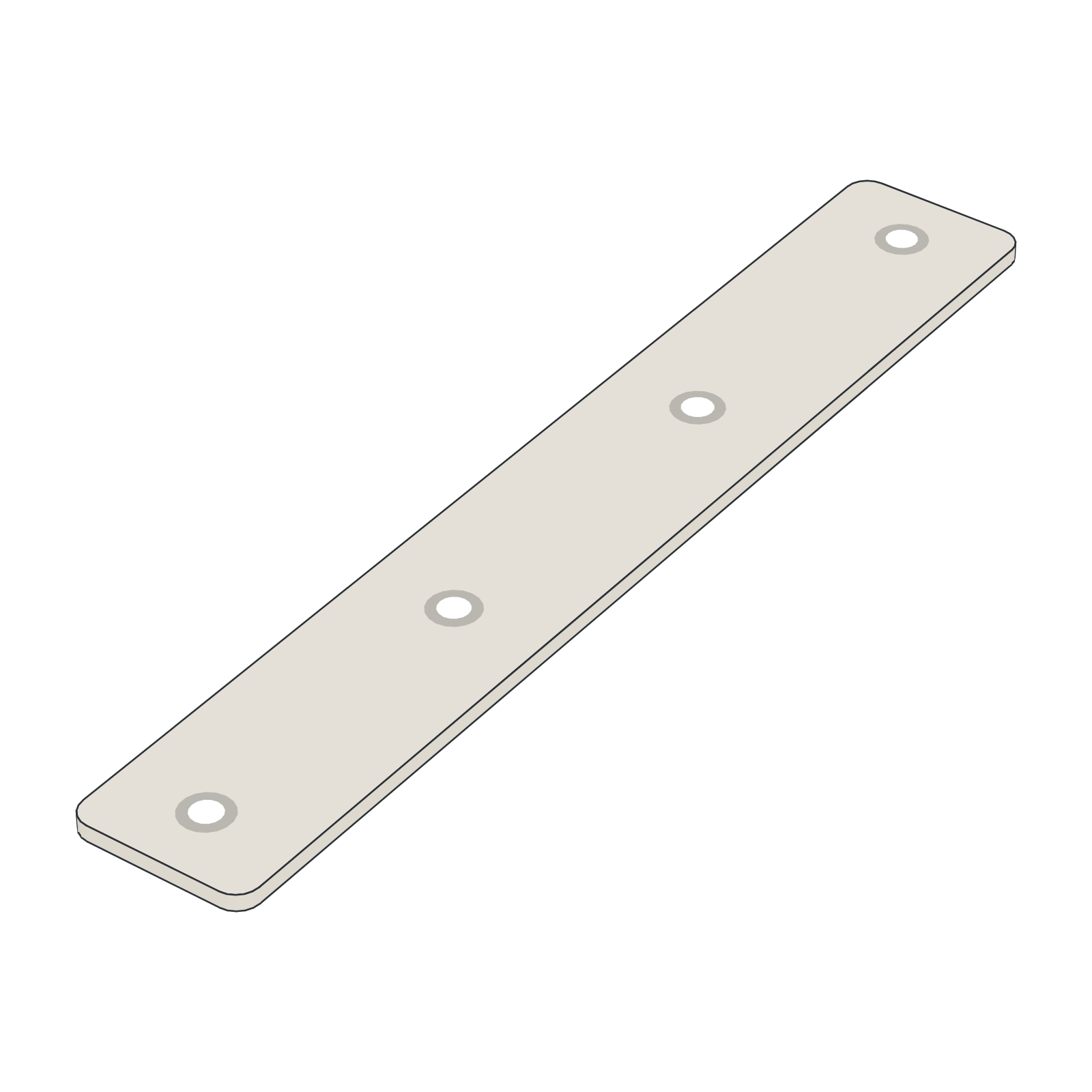
- HOPPE high performance support plate, 8" (203.2 mm) long2512296
- HOPPE strike extender for the latch and deadbolt strike1972477
Strike plates and keepers for multipoint doors
One strike for each bolt
Every bolt on the door edge closes into its own plate on the frame. The latch and the deadbolt share a plate level with the handle, and the extra bolts above and below it have plates of their own. Tongues, rollers, roundbolts, swing hooks and shootbolts each need the strike made for them, so match each strike to the bolt it serves. Strike and keeper mean the same part; keeper is the more common word in the UK.
Signs a strike plate is the problem
If the handle is hard to lift only when the door is shut, or the door has to be pushed or slammed before it locks, the bolts may be hitting their strikes instead of sliding in. A bent, worn or loose plate can cause that, and so can a door that has dropped on its hinges. Check the strikes before you buy a gearbox: a worn plate is the cheaper fix, and adjustable hinges can line the door back up with its strikes.
Choosing the right plate
Strikes differ by door thickness, the groove in the frame, plate size and finish. The latch and deadbolt strike, for example, comes for 1-3/4" doors, for 1-3/4" to 2-1/8" doors and for 2-1/4" doors with a centered Eurogroove, with or without a cylinder access hole. Measure your old plate and compare it with the sizes on each product page. Automatic locks pair with the auto-release strikes.
Choosing the right one
How to read the options you will see on these products.
Finish
The color and coating. The code in brackets is HOPPE's finish code. Resista® (codes ending -R) is HOPPE's protective finish.
Guides for this page
Written from the manufacturers' own catalogs and installation sheets.
Questions
Which strike plates do I need?
If you have the part number, from the box label or the paperwork that came with the door, search it above. HOPPE does not print part numbers on the parts themselves, so otherwise match the measurements in the guide above. Not sure? Use our instant part identifier to confirm the part before you order.
Do I need new strike plates when I replace the gearbox?
Usually not. Replacing a HOPPE HLS 9000 gearbox keeps the door, the extensions and the strikes you already have, and the gearbox is sold without strikes. Pick the gearbox whose bolts match yours, because each kind of bolt needs the strike made for it. Replace a strike only when the plate itself is bent, worn or loose. If you change to a different bolt type, you need the strikes for that bolt as well.
Why does my door only lock when I push or pull on it?
Usually because the bolts are hitting their strikes instead of sliding in. A door that has dropped on its hinges can cause that, and so can a bent, worn or loose strike plate. To check, open the door, hold in the trigger beside the latch and lift the handle. If it locks easily open but not shut, the door is out of line with its frame and the gearbox is not the part. Look at the hinges and the strikes first; a worn plate is the cheaper fix.
Can a multipoint strike plate be adjusted?
Only one strike here is listed as adjustable: HOPPE's adjustable rod strike for double doors, a version of the shootbolt strike plate. HOPPE also builds adjustment into the door side. Roller locks adjust at the roller with a hex wrench, by about 1/32" (1 mm). HOPPE adjustable hinges move 1/8" (3 mm) either way, which can line the door back up with its strikes. Try those first, then replace a plate that is bent, worn or loose.
What is the difference between a strike plate and a keeper?
None. Strike and keeper mean the same part: the metal plate on the frame that a bolt locks into. Keeper is the more common word in the UK. HOPPE's catalog says strike plate or strike, and notes that different locking points need different strike plates. So search by the bolt your plate takes: latch and deadbolt, tongue, roller, round bolt, swing hook or shootbolt. The multipoint lock glossary lists the other names for each part.
Every order: free US shipping · 90-day free returns with a prepaid label · if our part identifier said it fits and it doesn't, we pay the return. Shipping · Returns